For thousands of years, humans have turned to the natural world for healing. Herbal remedies, derived from plants, have formed the foundation of traditional medicine systems across cultures and continue to influence modern healthcare. Today, as many seek alternatives to conventional treatments, understanding these botanical healers has never been more relevant. This comprehensive guide explores the rich history, diverse applications, and proper use of herbal remedies to help you navigate this ancient yet ever-evolving approach to wellness.
What Are Herbal Remedies?
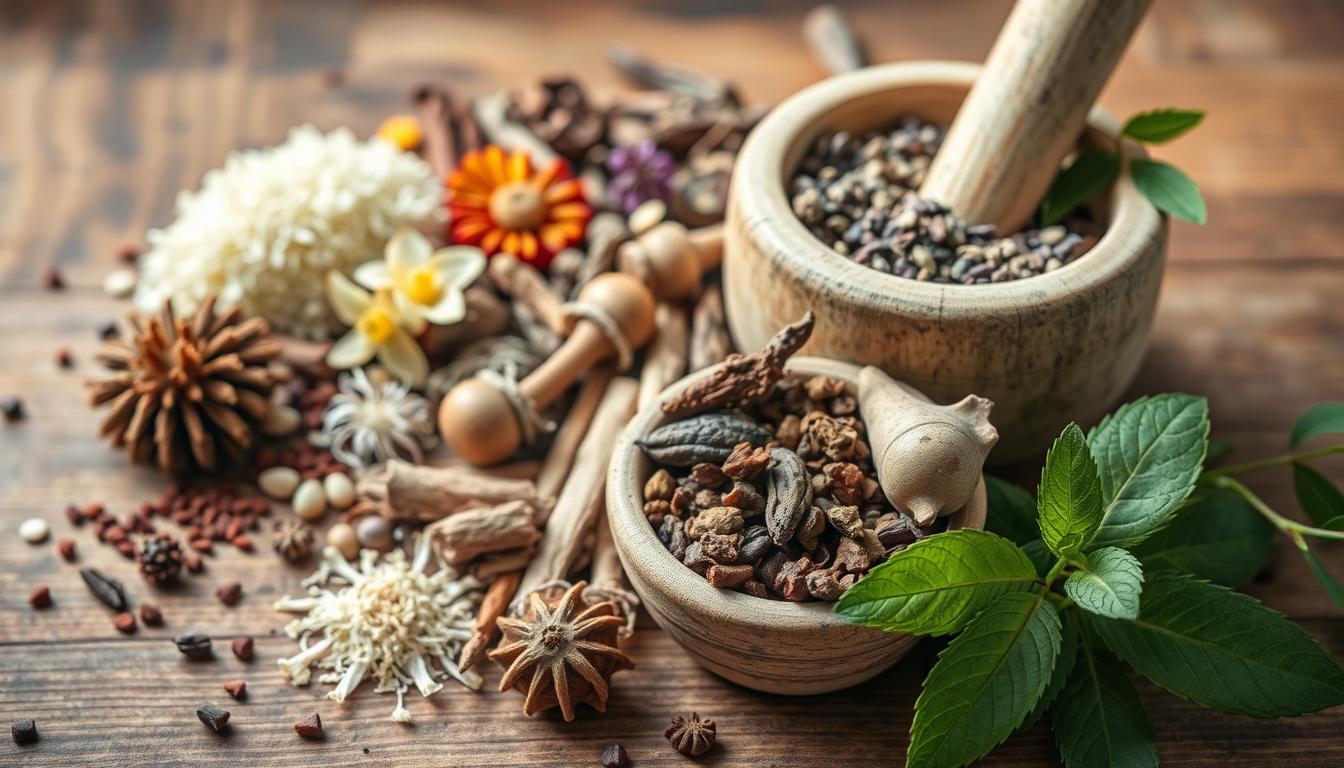
Herbal remedies come in many forms, from dried plants to tinctures and extracts
Herbal remedies are medicinal preparations made from plant materials. They utilize various plant parts—leaves, flowers, stems, roots, seeds, or bark—each containing unique compounds that contribute to their therapeutic effects. Unlike conventional pharmaceuticals that typically contain isolated active ingredients, herbal medicines often work through the combined action of multiple compounds present in the whole plant.
These natural medicines come in various forms, including:
- Teas and infusions (water-based extracts)
- Tinctures (alcohol-based extracts)
- Capsules and tablets
- Powders
- Topical preparations (creams, ointments, and oils)
- Essential oils
While many people turn to herbal remedies seeking “natural” alternatives, it’s important to understand that natural doesn’t automatically mean safe. Herbal medicines contain potent compounds that can have significant effects on the body and may interact with conventional medications.
Free Herbal Safety Guide
Before exploring herbal remedies, ensure you understand how to use them safely. Download our comprehensive guide to herbal medicine safety.
The Rich History of Herbal Medicine

The use of plants for healing predates written human history. Archaeological evidence suggests that humans were using plants medicinally as far back as 60,000 years ago. Every major civilization has developed sophisticated systems of herbal medicine:
Traditional Chinese Medicine (TCM)
Dating back over 2,500 years, TCM views herbal remedies as part of a holistic system that aims to restore balance to the body’s vital energy (Qi). The Chinese Materia Medica, a comprehensive pharmacopeia of herbal substances, contains thousands of remedies and continues to evolve today.
Ayurvedic Medicine
India’s traditional medical system, Ayurveda, has used herbal remedies for over 3,000 years. It classifies herbs according to their effects on the body’s doshas (constitutional types) and employs complex herbal formulations to address imbalances.
Western Herbal Traditions
From ancient Greek and Roman physicians to medieval European herbalists, Western traditions have documented extensive herbal knowledge. Hippocrates, often called the “father of medicine,” advocated for plant-based treatments, while later practitioners like Galen and Paracelsus further developed herbal medicine principles.
Indigenous Healing Practices
Native cultures worldwide have developed sophisticated botanical medicine systems uniquely adapted to their local environments. Many modern pharmaceuticals, including aspirin and quinine, originated from indigenous plant knowledge.
10 Popular Herbal Remedies and Their Uses
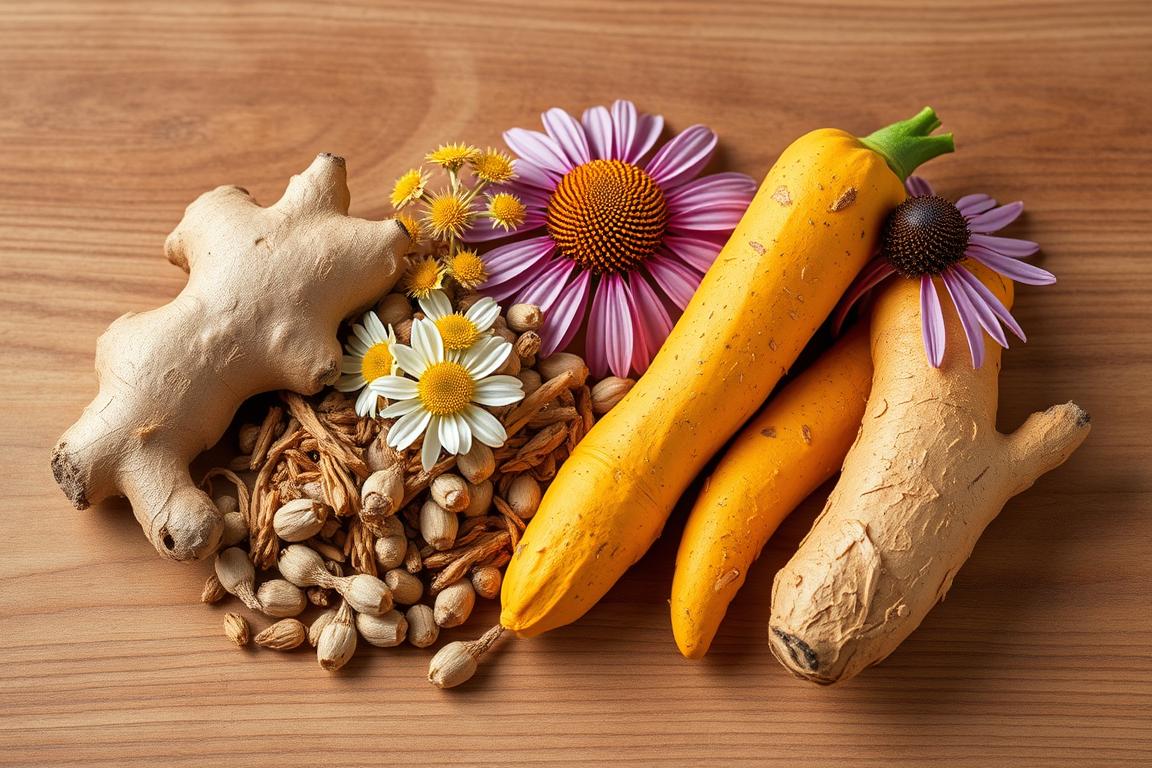
The plant kingdom offers thousands of potential remedies, but some herbs have gained widespread popularity due to their effectiveness and versatility. Here are ten commonly used herbal remedies and their traditional applications:
Ginger (Zingiber officinale)
Traditional Uses: Digestive aid, nausea relief, anti-inflammatory
Evidence: Clinical studies support ginger’s effectiveness for nausea, particularly for pregnancy-related morning sickness, motion sickness, and chemotherapy-induced nausea. It contains active compounds called gingerols that have anti-inflammatory properties.
Preparation: Fresh or dried root can be steeped as tea, added to foods, or taken in capsule form.
Chamomile (Matricaria recutita)
Traditional Uses: Sleep aid, anxiety relief, digestive comfort
Evidence: Research suggests chamomile has mild sedative effects and may help with anxiety and insomnia. It contains apigenin, a compound that binds to benzodiazepine receptors in the brain.
Preparation: Typically consumed as a tea by steeping dried flowers in hot water for 5-10 minutes.
Echinacea (Echinacea purpurea)
Traditional Uses: Immune support, cold and flu prevention
Evidence: Some studies suggest echinacea may reduce the duration and severity of colds, though results are mixed. It appears to stimulate the immune system.
Preparation: Available as tinctures, capsules, and teas made from the plant’s roots and aerial parts.
Turmeric (Curcuma longa)
Traditional Uses: Anti-inflammatory, joint pain relief, digestive aid
Evidence: Curcumin, the active compound in turmeric, has demonstrated anti-inflammatory effects in numerous studies. Black pepper enhances its absorption.
Preparation: Can be used in cooking, taken as capsules, or prepared as “golden milk” with black pepper and fat for better absorption.
Valerian (Valeriana officinalis)
Traditional Uses: Sleep aid, anxiety relief
Evidence: Some clinical trials support valerian’s effectiveness for improving sleep quality, though more research is needed.
Preparation: Root is typically used in teas, tinctures, or capsules. Has a distinctive unpleasant odor.
St. John’s Wort (Hypericum perforatum)
Traditional Uses: Mood support, mild to moderate depression
Evidence: Multiple studies suggest effectiveness comparable to some antidepressants for mild to moderate depression. However, it interacts with many medications.
Preparation: Standardized extracts in capsules or tablets are most common.
Herbal Remedy Preparation Guide
Learn how to properly prepare and use herbal remedies at home with our step-by-step illustrated guide.
Peppermint (Mentha × piperita)
Traditional Uses: Digestive aid, headache relief, respiratory support
Evidence: Clinical studies support peppermint oil’s effectiveness for irritable bowel syndrome. The menthol in peppermint has muscle-relaxing properties.
Preparation: Leaves can be used for tea; oil is available in enteric-coated capsules for IBS.
Lavender (Lavandula)
Traditional Uses: Anxiety relief, sleep aid, skin care
Evidence: Research supports lavender’s calming effects when used aromatically. Some studies show benefits for anxiety.
Preparation: Essential oil can be diffused or applied topically (diluted); dried flowers used in teas and sachets.
Garlic (Allium sativum)
Traditional Uses: Immune support, heart health, antimicrobial
Evidence: Research suggests garlic may help reduce blood pressure and cholesterol levels. Contains allicin, which has antimicrobial properties.
Preparation: Fresh cloves can be consumed (crushing activates beneficial compounds); aged garlic extract available as supplements.
Milk Thistle (Silybum marianum)
Traditional Uses: Liver support, detoxification
Evidence: Contains silymarin, which has shown liver-protective effects in some studies. May help with certain liver conditions.
Preparation: Standardized extracts in capsules or tablets are most common.
How to Prepare Herbal Remedies

The preparation method for herbal remedies significantly impacts their effectiveness. Different techniques extract different compounds from plants. Here are the most common preparation methods:
Infusions (Teas)
Best for: Delicate plant parts like leaves and flowers
Method: Pour boiling water over herbs and steep, covered, for 5-15 minutes. Use approximately 1-2 teaspoons of dried herb per cup of water.
Example: Chamomile or peppermint tea
Decoctions
Best for: Tougher plant parts like roots, bark, and seeds
Method: Simmer herbs in water for 15-60 minutes to extract deeper compounds. Use approximately 1-2 teaspoons of herb per cup of water.
Example: Ginger or valerian root decoction
Tinctures
Best for: Creating concentrated, long-lasting preparations
Method: Soak herbs in alcohol (usually 40-60% ethanol) for 2-6 weeks, then strain. The alcohol extracts and preserves medicinal compounds.
Example: Echinacea tincture
Oils and Salves
Best for: Topical applications
Method: Infuse herbs in carrier oil (like olive or coconut) using gentle heat or solar infusion. Salves are made by adding beeswax to herbal oils.
Example: Calendula-infused oil for skin conditions
Safety Considerations and Precautions

Important: Herbal remedies are not regulated in the same way as conventional medications. Quality, potency, and safety can vary significantly between products. Always consult with a healthcare provider before starting any herbal treatment, especially if you have existing health conditions or take medications.
Potential Risks
- Drug interactions: Many herbs can interact with prescription medications. For example, St. John’s Wort interacts with numerous drugs, including birth control pills, antidepressants, and blood thinners.
- Allergic reactions: Like any substance, herbs can cause allergic reactions in sensitive individuals.
- Contamination: Herbal products may contain contaminants, incorrect herbs, or undisclosed ingredients.
- Standardization issues: The concentration of active compounds can vary widely between products and even batches.
- Pregnancy and breastfeeding concerns: Many herbs are not safe during pregnancy or while breastfeeding.
Guidelines for Safe Use
- Consult healthcare providers before using herbal remedies, especially if you have chronic conditions or take medications
- Purchase from reputable sources that test for quality and purity
- Start with low doses and monitor for adverse reactions
- Research herbs thoroughly using reliable sources
- Be especially cautious with children, elderly individuals, and those with compromised immune systems
- Don’t delay seeking conventional medical treatment for serious conditions
Herb-Drug Interaction Checker
Concerned about potential interactions between herbs and your medications? Download our comprehensive herb-drug interaction guide.
The Science Behind Herbal Remedies

The scientific understanding of herbal remedies has evolved significantly in recent decades. While traditional knowledge provides valuable insights, modern research methods help validate effectiveness and identify potential risks.
Research Challenges
Studying herbal medicines presents unique challenges:
- Plants contain multiple active compounds that may work synergistically
- Standardization of herbal preparations is difficult
- Growing conditions affect the chemical composition of plants
- Traditional use often involves complex formulations and individualized approaches
- Funding for herbal research is limited compared to pharmaceutical research
Evidence Spectrum
The evidence for herbal remedies exists on a spectrum:
| Evidence Level | Description | Examples |
| Strong | Multiple high-quality clinical trials with consistent results | Ginger for nausea, St. John’s Wort for mild depression |
| Moderate | Some clinical trials with generally positive but mixed results | Echinacea for colds, valerian for sleep |
| Preliminary | Laboratory and animal studies, limited human trials | Turmeric for inflammation, elderberry for immune support |
| Traditional Only | Based primarily on historical use without significant modern research | Many traditional formulations and less common herbs |
Modern Applications of Herbal Medicine

Herbal medicine continues to evolve, finding new applications while maintaining traditional wisdom. Today, herbal remedies are used in various contexts:
Integrative Healthcare
Many healthcare providers now incorporate evidence-based herbal treatments alongside conventional medicine. This integrative approach aims to address the whole person and may be particularly effective for chronic conditions like irritable bowel syndrome, anxiety, and insomnia.
Self-Care and Prevention
Herbal remedies play an important role in personal wellness routines. Many people use herbs like elderberry for immune support during cold and flu season or chamomile tea as part of sleep hygiene practices.
Pharmaceutical Development
Plants remain an important source of new drug discoveries. Approximately 25% of modern pharmaceuticals are derived from plants, including cancer treatments like Taxol (from Pacific yew) and pain medications like morphine (from opium poppy).
Sustainable Healthcare
In regions with limited access to conventional medicine, herbal remedies provide affordable, accessible healthcare options. Organizations like the World Health Organization recognize the importance of traditional herbal knowledge in global health systems.
Growing Your Own Herbal Remedies

Growing medicinal herbs at home connects you directly to the healing power of plants while ensuring quality and freshness. Many medicinal herbs are easy to grow, even in small spaces:
Easy-to-Grow Medicinal Herbs
For Containers/Small Spaces:
- Peppermint (digestive aid, headache relief)
- Thyme (respiratory support, antimicrobial)
- Calendula (skin healing, anti-inflammatory)
- Lemon balm (calming, antiviral)
For Garden Beds:
- Echinacea (immune support)
- Chamomile (sleep aid, digestive support)
- Lavender (anxiety relief, skin care)
- Yarrow (wound healing, fever reduction)
Harvesting and Preservation Tips
- Harvest leaves in the morning after dew has dried but before the heat of the day
- Collect flowers when they’re just fully opened
- Dig roots in fall when their energy has moved down from the leaves
- Dry herbs in a dark, well-ventilated space or use a dehydrator at low temperatures
- Store dried herbs in airtight containers away from light and heat

Medicinal Herb Garden Planner
Ready to grow your own healing garden? Download our free medicinal herb garden planner with growing guides for 20 essential herbs.
Finding Quality Herbal Products

If growing your own herbs isn’t practical, finding high-quality commercial products becomes essential. The quality of herbal supplements varies widely, and the industry is less regulated than pharmaceuticals.
What to Look For
- Third-party testing: Look for products verified by independent organizations like USP, NSF, or ConsumerLab
- Standardization: For certain herbs, standardized extracts ensure consistent levels of active compounds
- Transparency: Reputable companies disclose sourcing, testing methods, and full ingredient lists
- Proper identification: Products should use the full botanical name (genus and species)
- Sustainable harvesting: Especially important for wild-harvested herbs
Red Flags to Avoid
- Exaggerated health claims or promises of “miracle cures”
- Proprietary blends that don’t disclose amounts of individual herbs
- Unusually low prices (quality herbs and proper testing are costly)
- Products from countries with poor manufacturing standards
- Supplements marketed primarily through multi-level marketing
Working with Herbal Practitioners

While self-care with common herbs can be appropriate for minor conditions, working with a qualified herbal practitioner offers several advantages for more complex health concerns:
Benefits of Professional Guidance
- Personalized formulations tailored to your specific constitution and condition
- Expert knowledge of herb-drug interactions and contraindications
- Access to higher-quality herbs and professional-grade preparations
- Comprehensive health assessment beyond symptom management
- Integration with other healthcare approaches
Finding Qualified Practitioners
Look for herbalists with recognized credentials such as:
- Registered Herbalist (RH) through the American Herbalists Guild
- Master of Science in Herbal Medicine
- Traditional Chinese Medicine practitioners with herbal training
- Naturopathic doctors with botanical medicine specialization
- Integrative physicians with herbal medicine training
Always verify a practitioner’s training, experience, and approach before beginning treatment. A good herbalist will work collaboratively with your conventional healthcare providers and respect your preferences and boundaries.
Embracing the Wisdom of Herbal Remedies

Herbal remedies represent one of humanity’s oldest healing traditions and continue to offer valuable options in our modern healthcare landscape. When approached with knowledge, respect, and appropriate caution, these plant allies can support wellness in numerous ways.
The most effective approach to herbal medicine balances traditional wisdom with scientific understanding, personal experience with professional guidance, and healthy skepticism with openness to natural healing. Whether you’re growing medicinal herbs in your garden, purchasing quality supplements, or consulting with an herbal practitioner, the plant kingdom offers a rich pharmacy of possibilities for supporting your health journey.
Remember that herbal remedies work best as part of a holistic approach to wellness that includes proper nutrition, regular exercise, stress management, and appropriate conventional medical care when needed. By integrating these various approaches, you can develop a personalized path to optimal health that honors both ancient wisdom and modern understanding.
Start Your Herbal Wellness Journey
Ready to explore the world of herbal remedies more deeply? Download our complete beginner’s guide to herbal medicine, including profiles of 30 essential herbs, preparation instructions, and safety information.